Footprintz
Commercial Lighting
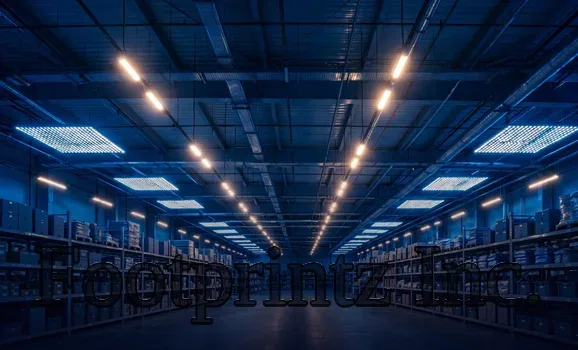
High bays, panels, flood and street lights for warehouses, offices and outdoor projects — quantity-tier pricing for bulk orders.
Footprintz
High bays, panels, flood and street lights for warehouses, offices and outdoor projects — quantity-tier pricing for bulk orders.
Footprintz supplies LED lighting for homes, shops, offices and outdoor work across India — panel lights and COB downlights for interiors, magnetic track lights for retail and showrooms, LED strips and aluminium profiles for coves and cabinets, and solar street lights, flood lights and garden lights for sites without easy mains power. Drivers, battery cells and BMS boards sit alongside the lights they run, so an installer can put a whole job together from one order.
Everything is sold wholesale: the price drops as the quantity goes up, GST billing is standard, and orders ship across India. If you are choosing between a panel, a COB and a strip for the same room, start with the category below — each one lists cutout sizes, wattages and quantity pricing up front, so there is no need to ask for a quote to know where you stand.
Clear specifications, dependable support and practical pricing for homes, businesses and installers.
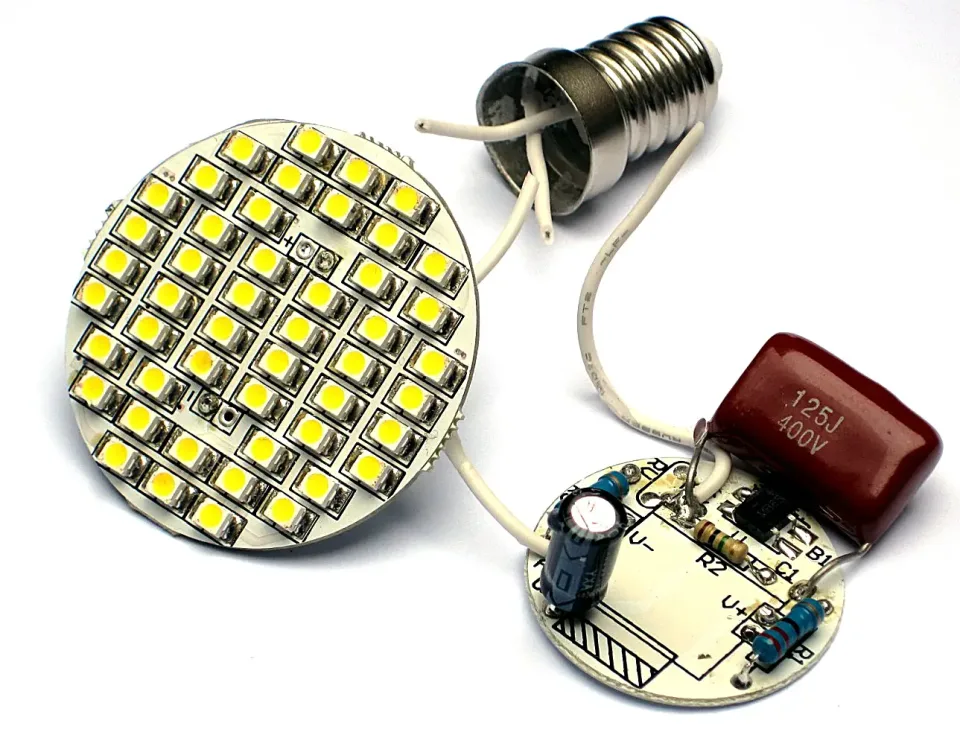
A bulb that promised 15,000 hours and died inside a year rarely died because its LED chip wore out — chips usually fade slowly, they don't switch off. Something cheaper and quieter gave up first. This post maps the four places money disappears when an LED light is built down to a price: a driver with no margin, a heat path made of plastic and hope, chips bought from the wide end of the sorting bins, and protection and assembly corners cut where you can't see them. It lays out the failure timeline those savings produce — early flicker, fast fading, dead within a season or two — and then argues the honest counterpoint: a simple, well-made budget light in an open fitting can outlive a fancy one cooking in a closed shade. It ends with the checks a buyer can actually do in the shop: heft, label, warranty, and the seller's return desk.
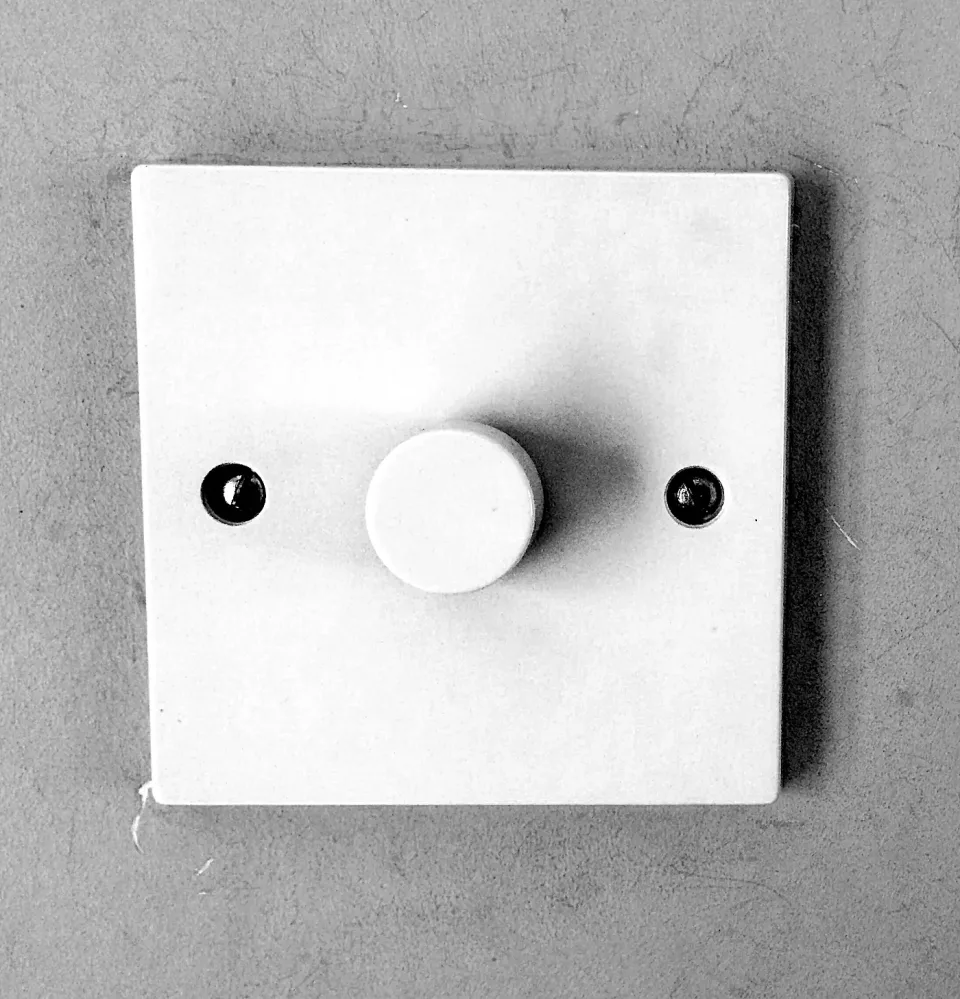
Read articleScrew a dimmable LED light into a fitting run by an old wall dimmer and you can get flicker at the bottom of the range, a bulb that refuses to start until the knob is a third of the way up, a faint buzz, or a light that gives up and drops out halfway down. None of that means the bulb is faulty. Dimming an LED light is a negotiation between two electronic devices — the dimmer, which chops the mains waveform into pieces, and the bulb's driver, which has to read those pieces as an instruction. When the two were never introduced, they argue. This post explains what each side is doing, why an incandescent never had this problem, what the four classic symptoms are telling you, and the honest ladder of fixes — from checking the maker's compatibility list to the option that skips the wall dimmer altogether.
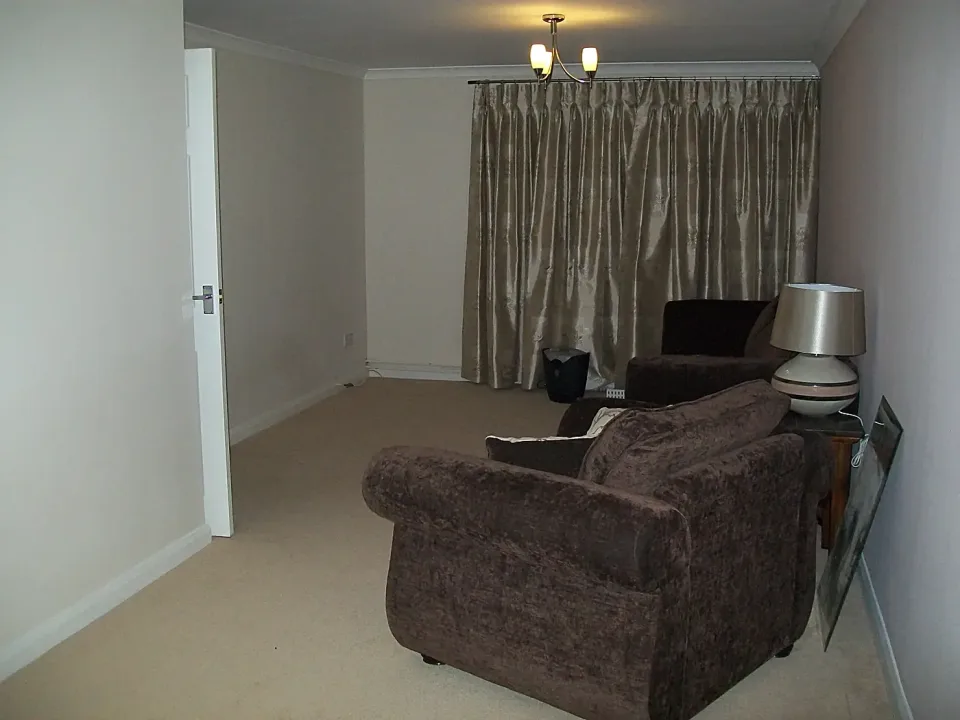
Read articleMost homes are lit by habit: one ceiling light per room, whatever bulb was on offer, and a vague feeling that the kitchen is somehow both gloomy and glaring. This guide replaces the habit with a method. Three moves do most of the work — aim at a target lux for the room's job and turn it into lumens with one multiplication, slide the colour temperature from warm to neutral depending on whether the room is for resting or working, and build the light in layers instead of asking one fitting to do everything. Then it walks the house room by room: the layered living room, the kitchen's two-level trick, the desk, the bedroom, the bathroom mirror, the stairs, and the balcony after dark — with one table that sums the whole house up.
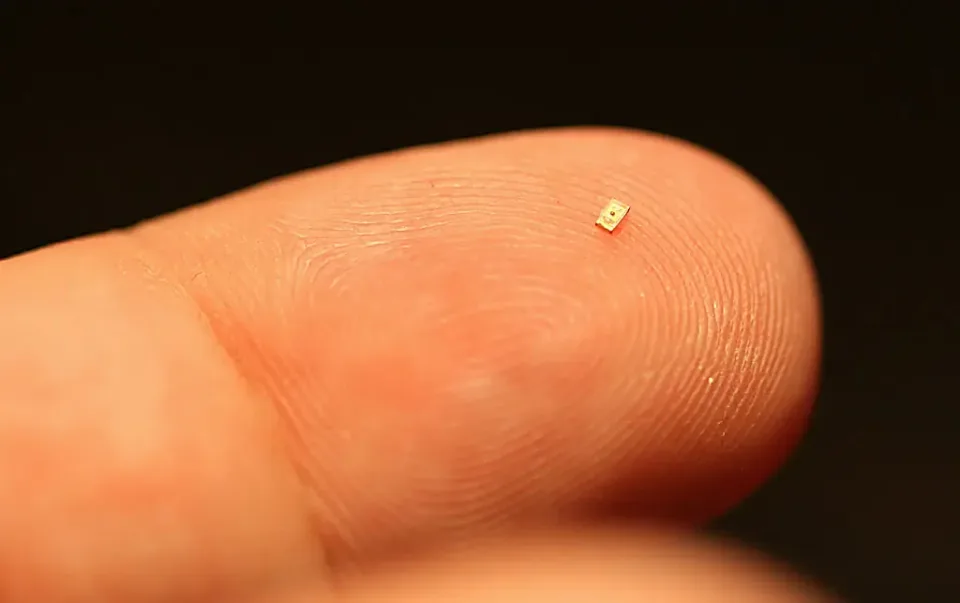
Read articleEvery LED light, from a tiny indicator lamp to a stadium floodlight, starts life as the same thing: a sliver of semiconductor smaller than your fingernail, built with two subtly different halves. Electricity pushes loose electrons from one half into empty spaces — holes — in the other, and each time an electron drops into a hole it pays for the fall with a flash of light called a photon. Pick the material and you pick the size of the fall, which is why the material decides the colour, why a white light is really a blue chip wearing a phosphor coat, and why this delicate chip needs a driver feeding it steady current and a metal path carrying its heat away. This is that story, told slowly.
Read articleLED tool
Calculate the series resistance, preferred E24 value, actual current, and safe resistor wattage for an LED circuit.
Open tool →LED tool
Estimate required room lumens, lighting power, and fixture quantity from room size, target lux, and luminaire efficacy.
Open tool →LED tool
Compare annual electricity, replacement costs, carbon emissions, payback, and multi-year savings when switching to LED lamps.
Open tool →LED tool
Calculate total wattage, current, power supply capacity, and recommended margin.
Open tool →